Gutter Installation in Hackettstown: Cost Factors You Should Understand


Homeowners usually notice gutters when they fail. Water runs over the edge during a storm, mulch washes into the driveway, or a dark stain appears on the siding below a roofline. By the time those signs show up, the discussion moves quickly from maintenance to replacement. If you are looking into Gutter Installation Hackettstown, it helps to know what actually drives the price, because the number on a quote is rarely just about the gutter itself.
In Hackettstown, gutter work sits at the intersection of roof design, weather exposure, ladder access, drainage planning, and local housing styles. A simple ranch with clean fascia boards and easy access can be straightforward. A taller colonial with multiple roof sections, mature landscaping, and old wood trim can be a very different job. Two homes with the same square footage may land in very different price ranges for reasons that are not obvious until someone is standing outside measuring and looking up.
That is why broad online price estimates often miss the mark. They leave out the conditions that turn an ordinary install into a careful custom job. Understanding those conditions makes it easier to compare proposals, ask better questions, and avoid paying for the wrong thing.
The real starting point is not price, it is scope
When people first ask about Gutter Installation, they often want a per-foot number. That can be useful as a rough reference, but it is not the whole story. Linear footage matters, of course. More roof edge means more material, more labor, and more fasteners. Still, the final scope also depends on downspout count, corner pieces, end caps, outlet placement, splash management, fascia condition, and whether the crew is removing an existing system first.
A house with long, uninterrupted rooflines can sometimes be more efficient to outfit than a smaller house chopped into many short sections. Every corner, transition, and elevation change adds time. Each downspout needs thoughtful placement so water exits where it will not create a problem at the foundation, sidewalk, basement window well, or neighbor’s property line.
In other words, the job is not just hanging metal under the roof edge. It is designing a drainage path that works in real weather.
Material choice changes more than appearance
One of the biggest cost factors is the gutter material. Aluminum remains the most common choice for residential work in this part of New Jersey because it balances cost, durability, rust resistance, and color options. It is usually the default for homeowners who want dependable performance without pushing the budget too far.
Vinyl is cheaper upfront, but it tends to be less forgiving over time. In areas that see temperature swings, heavy rain, and snow loads, vinyl can become brittle, warp, or pull apart at the seams. It may look attractive on an estimate, yet it often does not hold up as well in the long run. For a detached garage or a tight-budget short-term fix, it can make sense. For a primary residence, many homeowners regret choosing it.
Steel is stronger, but it is heavier and can rust if the protective finish is compromised. Copper sits at the premium end of the market. It lasts a long time, develops a distinctive patina, and looks excellent on older or higher-end homes, but its price is significantly higher. Installation labor can also be more specialized.
The material selection affects more than the invoice total. It also affects maintenance, longevity, curb appeal, and how the gutters perform during the freeze-thaw cycles common around Hackettstown.
Seamless versus sectional gutters
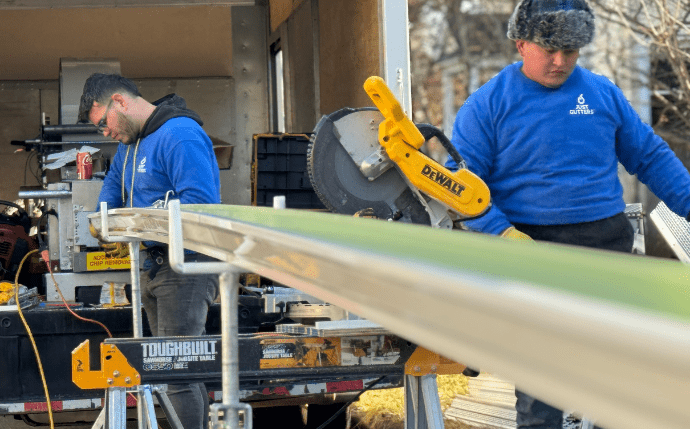
This is one of the most important distinctions in any proposal. Seamless gutters are fabricated on site to fit long roof runs with fewer joints. Fewer joints generally mean fewer places for leaks, sagging, and debris buildup. They also look cleaner from the ground.
Sectional gutters come in pre-cut lengths joined together during installation. The upfront cost can be lower, but the additional seams create more potential failure points. Over time, those joints can separate, leak, or trap leaves and grit. For many homeowners, the lower starting price does not outweigh the maintenance trade-off.
Most professional Gutter Installation Hackettstown projects today lean toward seamless aluminum for exactly that reason. It gives a good balance of performance and value. If you are comparing bids and one seems far cheaper, check whether it is for sectional material while the other includes seamless fabrication. That difference alone can explain a noticeable gap.
House height and roof complexity raise labor costs quickly
A single-story home is simply easier and faster to work on than a two-story home. The ladders are shorter, movement is quicker, safety setup is simpler, and hauling material takes less effort. As the house gets taller, labor gets slower and risk increases. That usually shows up in the price.
Roof complexity matters just as much. A straight eave line on a basic ranch is one thing. A home with dormers, bay projections, multiple gables, and roof returns takes longer to measure, fabricate, install, and pitch correctly. More corners also mean more accessories and more opportunities for poor water flow if the system is not planned carefully.
I have seen homeowners focus on linear footage alone and wonder why their quote feels high. Then you look at the roof and count six corners on one side of the house, a second-story drop over a lower roof, and one awkward area above a stone walkway where downspout placement has to be precise. The installer is not just charging for metal. They are charging for complexity.
Removal of old gutters is often a hidden line item
If the existing gutters need to come down first, that adds labor and disposal costs. Old spikes may have to be pulled from fascia boards. Damaged brackets can leave behind holes that need sealing or repair. If the old system has been leaking for years, the fascia or soffit Gutter Installation Hackettstown behind it may be soft, split, or rotted.
This is where some estimates become misleading. A low quote may assume that old gutters are already removed or that the substrate is sound. A more careful contractor may include demolition, haul-away, and minor prep in the bid. One number looks cheaper until work begins and change orders start showing up.
On older homes in Hackettstown, especially those with long service histories and limited exterior updates, this is worth discussing upfront. The gutter replacement itself may be routine. The condition of what the gutters attach to may not be.
Fascia repair can shift the budget
Gutters need a solid, stable surface for fastening. If the fascia board is deteriorated, water-stained, or pulling away, installing new gutters over it is a short-term move at best. Good contractors will point this out before they hang anything.
Fascia repair is one of the most common reasons a gutter quote grows after inspection. Sometimes the damage is minor and localized. Sometimes entire runs need replacement. Paint touch-up or trim wrapping may follow. This work may be handled by the gutter company, a carpenter, or both, depending on the situation.
This is not upselling when it is legitimate. A new seamless system mounted to compromised wood can fail early, and then everyone pays twice. If a contractor shows you soft spots or rot at nail locations, that is usually a sign they are paying attention.
Downspout design matters more than most people expect
Homeowners often think about gutters as the visible horizontal pieces along the roof edge. The downspouts, though, do a large share of the real drainage work. Their number, size, and placement affect both performance and cost.
A house may technically collect water in a gutter, but if there are too few downspouts, or if they are undersized, heavy rain can overwhelm the system. Water will back up, spill over, or rush toward one overloaded outlet. On the other hand, too many visible downspouts can affect appearance and raise cost unnecessarily. There is a balance to strike.
In Hackettstown, where strong summer storms and winter precipitation both matter, sizing is not something to treat casually. Roof area, pitch, and runoff concentration all play a role. A steeper roof can shed water quickly. Valleys can dump large volumes into a short gutter run. One of the more common mistakes on bargain installs is underspecifying the drainage side of the system because it keeps the bid lower.
Extensions and discharge routing matter too. If the downspout empties right next to the foundation, you may solve one problem and create another. Longer extensions, underground drain tie-ins, splash blocks, or rerouting to a better grade can add to the cost, but they often prevent far more expensive water issues later.
Gutter size can change the estimate
The standard residential size is often 5-inch, but 6-inch gutters are increasingly common on larger roofs or houses with steeper pitches and more concentrated runoff. The bigger system costs more in material and accessories, yet it can provide better storm performance and reduce overflow in heavy rain.
This is especially relevant when a house has a lot of roof feeding one side, or where leaves and seed pods tend to slow drainage. A 6-inch seamless system paired with properly sized downspouts can offer a little more breathing room when the weather turns intense. If a contractor recommends a larger size, it is worth asking why. Sometimes it is a thoughtful upgrade. Sometimes a standard 5-inch system is perfectly adequate.
The right answer depends on the roof, not on a generic package.
Color, finish, and curb appeal have a price
Gutters are functional, but they are also visible trim elements. Basic colors are usually more affordable and readily available. Custom colors, specialty finishes, or premium metals can increase the price. On homes where the exterior color scheme is carefully coordinated, that may be money well spent.
I have watched owners hesitate over a modest color upgrade, then thank themselves later every time they pull into the driveway. A gutter system that disappears into the trim line often makes the whole house look cleaner. The reverse is true too. A slightly off-color gutter can stand out more than people expect.
The finish quality also affects long-term appearance. Lower-cost systems may chalk, fade, or show dirt more quickly. In a place where seasonal pollen, tree debris, and road grit are part of life, durable finishes earn their keep.
Leaf protection is not free, and not always necessary
Gutter guards, screens, and covers can be worth considering, particularly if the property has mature trees. Hackettstown neighborhoods vary, but many homes sit near maples, oaks, or pines that drop enough debris to clog a system more than once a year. In those cases, leaf protection can reduce maintenance and lower the chance of overflow caused by packed gutters.
Still, not every product performs equally well, and not every home needs one. Fine mesh systems tend to do better than basic snap-in screens, but they cost more. Some low-cost guards create their own maintenance issues by trapping grit or making cleaning harder.
A sensible contractor should talk about surrounding tree cover, roof pitch, and your actual maintenance habits before recommending an add-on. If your house has minimal tree exposure and easy gutter access, regular cleaning may be the better value. If the gutters are high, hard to reach, and constantly collecting debris, guards can make financial sense.
Seasonal timing can influence cost and scheduling
Gutter work tends to surge in certain periods. Late summer and fall are busy because homeowners notice issues before leaf drop and winter weather. Spring is also active, especially after snow and ice reveal sagging runs or damaged seams. During peak periods, schedules tighten. You may not always pay more, but you may have fewer options and less flexibility.
Off-peak scheduling can sometimes improve lead times and contractor availability. That does not automatically mean a lower price, but it may give you more room for a thoughtful install rather than a rushed one squeezed into a packed calendar.
Weather matters too. Cold conditions, wet surfaces, and snow-covered work areas can slow a crew and complicate access. Some installations can proceed safely in winter. Others should wait for cleaner conditions, especially when repairs to fascia or trim are part of the job.
Local property conditions in Hackettstown can affect labor
Not every cost factor comes from the house itself. The lot plays a role. Sloped yards, tight side setbacks, ornamental fencing, decks, stone patios, and delicate landscaping all influence how easily a crew can set ladders and move materials. If access is awkward, labor rises.
Hackettstown properties also include a mix of older homes and newer builds. Older homes may have quirks that do not show up on a satellite image or a rough estimate. Fascia dimensions may vary. Roof lines may have been altered by additions. Drainage issues may already exist from years of undersized or failing systems.
A contractor who has done repeat work in the area often reads these conditions faster. That local familiarity can help with practical decisions, such as where to place downspouts so they work with the grading rather than against it.
What homeowners should ask when comparing estimates
A lower quote is not automatically a better quote. Sometimes it reflects efficiency and fair pricing. Sometimes it leaves out items that will surface later. When you are reviewing bids for Gutter Installation Hackettstown, clarity matters more than the headline number.
Ask whether the system is seamless or sectional. Ask what gauge or thickness of material is being used if relevant. Ask how many downspouts are included and whether their placement is based on roof runoff rather than convenience. Ask whether old gutter removal and disposal are included. Ask what happens if fascia damage is found.
These questions do not need to be adversarial. Good installers usually welcome them because they separate a serious homeowner from someone shopping on price alone.
Here are five points worth confirming before you sign:
- Whether removal and disposal of the old system are included.
- Whether fascia or soffit repairs are excluded, included, or billed if discovered.
- The exact gutter size, material, and seamless versus sectional setup.
- The number and size of downspouts, plus how water will discharge away from the house.
- Warranty terms for both material and installation labor.
That short conversation can save a lot of frustration later.
Why labor quality is worth paying for
Gutters look simple from the ground. Up close, a good installation involves consistent pitch, secure fastening, clean miters, proper outlet cuts, sound sealing, and thoughtful discharge placement. A poor install may still look acceptable on day one. Problems often show up during the first serious storm.
I have seen new gutters overflow because they were pitched the wrong way by a fraction that was hard to spot visually. I have seen downspouts terminate right where water pools beside a foundation. I have seen beautifully colored systems attached to fascia that should have been repaired first. The homeowner paid for new gutters and still had a drainage problem.
That is why labor should not be treated as a commodity. The crew’s judgment matters. So does the willingness to explain why one side of the house needs an extra downspout or why a larger gutter is appropriate under a valley.
Typical budget ranges and why they vary
Exact pricing moves with material costs, house size, and Gutter Installation Hackettstown contractor overhead, so it is better to think in ranges than fixed numbers. For many standard homes, aluminum seamless gutter replacement may fall somewhere in the moderate thousands rather than the hundreds. Smaller single-story jobs can come in lower. Larger two-story homes with complex rooflines, fascia repair, leaf protection, and drainage extensions can climb much higher.
Copper installations occupy a completely different bracket. Add-on drainage work, such as underground leaders or splash control in erosion-prone areas, can also move the total up. If one estimate is dramatically below the others, the difference usually comes from omitted scope, lower-grade materials, fewer downspouts, or limited service.
When homeowners ask why one bid is several hundred or even several thousand dollars apart from another, the answer is usually not mysterious. It is buried in the details.
The cheapest system is often the most expensive one over time
This is the part many people learn the hard way. A budget install may save money upfront, then leak at seams, pull away from the fascia, overflow during storms, or dump water too close to the house. The repair costs that follow rarely stay confined to the gutter itself. Wet basements, eroded beds, stained siding, rotted trim, and icy walkways all cost more than getting the drainage right from the start.
That does not mean the highest quote is automatically the right choice. It means value comes from alignment between the house, the system design, and the workmanship. Good gutters protect much more expensive parts of the home.
A practical way to think about gutter installation in Hackettstown
If you are planning Gutter Installation in Hackettstown, think beyond the product and look at the full water-management picture. Your cost is shaped by roof geometry, material choice, installation method, height, access, existing damage, and how water leaves the property once it reaches the downspout. Those details matter because gutters are one of the few exterior components that work every time it rains, often without any attention until something goes wrong.
A well-priced job is not the one with the smallest number. It is the one that matches the house, handles local weather, and reduces the chance of future repairs. When a quote explains the scope clearly and the installer can justify the design choices in plain language, you are usually on the right track.
Just Gutters LLC
Address: 262 Main St, Hackettstown, NJ 07840
Phone number: +12013319454
FAQ About Gutter Installation Hackettstown
Can I install a gutter myself?
Yes, you can install gutters yourself. DIYers typically use aluminum or vinyl sections from home improvement stores. The project requires basic tools, precise measuring, and comfort working on ladders. Key steps include snapping a chalk line for a slight slope (1/4 inch per 10 feet toward downspouts), securing hangers every 2 feet, and caulking all joints securely.
How much does body contouring usually cost?
The Home Depot typically charges between $1,000 and $3,600 for a standard professional gutter installation on a typical single-family home with 200 linear feet of gutters. Calculated on a per-foot basis, the cost usually ranges from $5 to $18 per linear foot, highly dependent on the material you select.
How much does a 40 ft seamless gutter cost?
A 40 ft seamless gutter run will cost between $240 and $1,120+ fully installed, depending on the material you choose. Because seamless gutters require specialized on-site fabrication machines, they are rarely sold as DIY kits and are priced per linear foot.