Gutter Repair Hackettstown: Fixing Sagging and Leaking Gutters


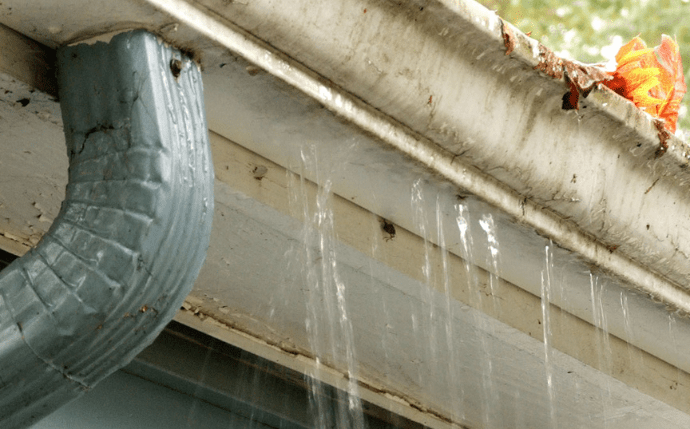
A gutter system rarely fails all at once. More often, it starts with a slight dip near a corner, a drip that shows up after a hard rain, or a dark streak on the siding that was not there last season. In Hackettstown, where homes see everything from summer downpours to freeze-thaw cycles in winter, small gutter problems tend to grow faster than homeowners expect. What begins as a loose hanger can turn into rotted fascia, washed-out mulch beds, foundation moisture, and ice buildup along the roof edge.
That is why timely gutter repair matters. A good repair does more than stop a leak for the next storm. It restores pitch, secures the run to the house, protects the fascia board, and gets water moving where it belongs. When the work is done properly, the whole system becomes quieter, cleaner, and much less likely to fail under load.
Why gutters sag and leak in the first place
Sagging gutters usually point to one of three issues: inadequate support, too much weight, or damaged mounting surfaces. Sometimes it is all three. A section that was fastened with spikes years ago may have slowly worked loose. A clogged downspout may have forced water to sit in the trough after every rain. Add wet leaves, winter ice, and a fascia board that has softened from repeated moisture exposure, and the gutter begins to bow.
Leaks have their own pattern. Seams separate. End caps loosen. Holes develop from corrosion. Corners twist slightly and open up just enough to let water escape. On aluminum gutters, movement from seasonal expansion and contraction can stress older sealant until it cracks. On steel systems, rust tends to begin in places where water lingers, often near clogged outlets or poorly pitched runs.
In a place like Hackettstown, local weather adds pressure. Autumn leaf drop fills gutters quickly, especially around mature trees. Winter can lock debris in place under ice. Spring often reveals damage that was hidden for months. By the time a homeowner notices staining on trim or puddling near the foundation, the problem has usually been active longer than it appears.
The difference between nuisance problems and structural ones
Not every leak means the entire system needs replacement. That is an important distinction, because many gutters can be repaired successfully if the metal itself still has life left in it. A joint that leaks at one seam, a single downspout that has detached, or a short section that has lost pitch can often be corrected without tearing off the full run.
The more serious category involves failure at the mounting surface or widespread deterioration across the system. If the fascia board is rotted in multiple places, new fasteners will not hold for long. If the gutter bottom is peppered with pinholes or the back edge is bent and pulling away from the roofline, repair starts to become temporary maintenance rather than a durable fix. The skill lies in knowing where that line is.
I have seen plenty of homes where owners were told they needed all new gutters when the real issue was a clogged outlet and three bad hangers. I have also seen the opposite, where someone kept resealing the same seams year after year while water was soaking a decayed fascia behind the gutter. The right approach comes from inspecting the whole path of the water, not just the obvious drip.
What sagging gutters are really telling you
A sagging section is not just unattractive. It changes how the system performs. Water seeks the low point, and if that low point is in the middle of the run instead of at the downspout outlet, the gutter begins to hold standing water. Once that happens, the metal gets heavier, debris settles into the pool, mosquitoes can breed in warm weather, and sealants fail faster.
You can often spot a sag from the ground if you stand back and look along the front lip of the gutter. A healthy run has a subtle, consistent line with a slight pitch toward the downspout. A compromised run looks wavy or visibly dipped between supports. Sometimes the sag is concentrated near a corner where two roof planes dump water quickly. Other times it shows up in the center of a long span that never had enough hangers installed.
The causes matter because the repair has to match them. Adding a few screws into rotten wood does not solve anything. Reattaching a downspout without clearing the clog above it only recreates the stress that pulled it loose. Good Gutter Repair Hackettstown work starts with diagnosis, then addresses the cause and the symptom together.
Common sources of gutter leaks around Hackettstown homes
Leaking gutters can be deceptive because the drip is not always directly below the defect. Water can travel along the underside of the gutter, wick behind it, or spill from one point and show up several feet away. That is one reason visual checks during dry weather can miss a problem.
These are the trouble spots that show up most often:
- separated seams between gutter sections
- failed sealant at miters and end caps
- pinholes or corrosion in older metal
- overflowing caused by clogged downspouts or poor pitch
- water slipping behind the gutter due to apron or flashing issues
That last point is often overlooked. A homeowner sees water running behind the gutter and assumes the gutter itself is leaking, when the real problem is that roof runoff is missing the trough. If the drip edge is too short, bent wrong, or absent in places, water can curl back under the shingles and down behind the gutter line. A repair that ignores that detail leaves the house vulnerable even if the gutter seams are perfectly sealed.
Repairing sagging gutters the right way
The basic goal is simple: restore proper slope and https://johnathanobjn246.lowescouponn.com/how-to-know-when-you-need-gutter-repair-in-hackettstown support so water moves efficiently to the downspout. The actual work can range from straightforward to invasive depending on what is underneath.
If the gutter is fundamentally sound, the repair may involve removing debris, detaching the affected section, replacing old spikes with hidden hangers, and rehanging the run to the correct pitch. Hidden hangers are generally a better long-term choice because they distribute the load more evenly and hold tighter over time. Spacing matters too. In areas that see snow and ice, support should be consistent enough to prevent the front lip from flexing under seasonal weight.
When the fascia is damaged, the repair steps up a level. The gutter has to come down, rotten wood must be cut out and replaced, and only then can the gutter be reinstalled. Homeowners sometimes resist that part because the fascia damage is no longer visible once the gutter is back up. But skipping it is one of the main reasons a sag returns within a year or two.
Pitch correction deserves care. Too little slope and water stalls. Too much and the front line looks visibly tilted from the street, which is both unattractive and unnecessary. Most standard residential runs need only a slight drop toward the outlet, enough to keep water moving without making the gutter look crooked. This is where experience shows. Tiny adjustments over twenty or thirty feet make a big difference in function.
Sealing leaks without creating a short-term patch
A durable leak repair depends on surface prep and material choice. That sounds unglamorous, but it is the difference between a repair that lasts through multiple seasons and one that peels loose after the next temperature swing.
Old sealant has to be removed where possible, especially if it has become brittle or lost adhesion. The metal needs to be clean and dry. If corrosion is advanced, sealant alone may not be enough. In those cases, a patch or section replacement may be the smarter move. For leaking end caps and corners, the joint must be stabilized first. Otherwise, movement will simply reopen the gap.
There is also a tendency to overuse sealant. More is not better. Thick globs trap debris, look sloppy, and do not compensate for loose joints or unsupported sections. A clean, well-bonded seal on a stable connection outperforms a heavy smear on a failing one every time.
For older sectional gutters, recurring seam leaks sometimes indicate that the system has reached the limit of practical repair. Seamless gutters, by contrast, have fewer joints and therefore fewer leak points. If a home in Hackettstown has a long run of older sectional gutter with repeated seam failures, replacing that run with seamless material can save money over time even if the rest of the system remains repairable.
When downspouts are the real problem
A gutter can only move water as fast as the downspouts allow. If the outlet is undersized, partially blocked, or placed poorly, the trough upstream takes the hit. That often shows up as overflow at corners, standing water in the run, or repeated separation at seams near the outlet.
I once looked at a house where the homeowner kept resealing a corner leak every spring. The sealant was not the core issue. The downspout elbow below had packed with maple seeds and roof grit, reducing flow enough that water backed up during every heavy rain. The corner stayed submerged, sealant failed, and the leak returned. Once the outlet and drop were cleared and the pitch corrected, the corner stopped leaking without heroic measures.
Downspouts also need secure attachment to the wall. Loose straps let the pipe shift during storms or when it fills suddenly. That movement transmits stress back to the outlet connection at the gutter, and over time it can loosen fasteners or crack sealant there. A complete repair includes the vertical components, not just the horizontal run.
The role of fascia, soffit, and roof edge details
Gutters do not exist in isolation. They depend on the roof edge assembly to direct water properly and provide a solid mounting surface. If the fascia is split, the soffit is venting moist air poorly, or the drip edge does not project correctly, gutter issues become repetitive.
This is especially common on older homes where multiple roof and trim repairs happened over time. One contractor replaces shingles, another paints trim, another rehanges a sagging gutter, but nobody addresses how the pieces interact. Then the homeowner wonders why water still finds its way behind the system.
During a solid repair assessment, the fascia should be probed for softness, the roof edge checked for proper overhang, and the apron or drip detail evaluated where water seems to be bypassing the gutter. These are not glamorous fixes, but they are often the ones that stop repeat damage.
Signs a repair is worth doing now, not next season
Homeowners often ask how urgent a gutter problem really is. The answer depends less on the size of the visible leak and more on what it is threatening. A slow drip over a walkway can be annoying. The same drip soaking the fascia, pooling by the foundation, or freezing into an ice hazard becomes more serious.
A few warning signs deserve prompt attention:
- water marks on siding beneath the gutter line
- mulch trenches or soil erosion below roof edges
- peeling paint on fascia or trim
- gutters pulling away at corners or near downspouts
- puddles near the foundation after moderate rain
Each of those signs points beyond the gutter itself. They suggest water is escaping where it should not, and the cost of ignoring it tends to spread into carpentry, masonry, or interior moisture problems.
Repair or replace, making the call honestly
This is where professional judgment matters most. Repair makes sense when the gutter metal is generally sound, the problems are localized, and the mounting surface can still support a reliable reinstall. Replacement becomes more sensible when damage is widespread, the system is undersized for the roof area, or repeated patching has already consumed time and money without restoring proper performance.
Age alone is not enough to make the decision. I have seen older aluminum gutters that were worth saving because they were heavy gauge, well aligned, and only needed selective rework. I have also seen newer installations that needed partial replacement because poor hanger spacing and bad pitch caused chronic overflow from the start.
Homeowners in Hackettstown should also think about the larger drainage picture. If one side of the house takes the brunt of weather, has heavy tree cover, or drains onto sensitive landscaping or a basement-prone foundation line, investing more in that section can be wise. Not every run on a house has equal importance.
What a quality gutter repair visit should include
A proper service call should feel methodical, not rushed. The contractor should inspect the gutter line, test for clogs, look at downspout discharge, examine fastening points, and assess whether water is missing the system at the roof edge. If they only look up from the ground and offer a fix on the spot, there is a good chance something important is being missed.
The repair itself should leave the system cleaner, tighter, and better aligned than before. Fasteners should be secure and appropriately spaced. Joints should be sealed neatly. Water should have a clear path to the outlet. If fascia repairs were needed, those should be completed before the gutter goes back up. The finished work should not rely on wishful thinking.
Homeowners should also expect a candid conversation about maintenance. Even the best repair will not hold up if gutters remain packed with debris year after year. In tree-heavy neighborhoods, seasonal cleaning may still be necessary even if guards are installed. Guards help in many cases, but they are not magic, and some designs perform better than others depending on leaf type and roof pitch.
Preventing the same problems from coming back
Most repeat gutter failures are not mysteries. They happen because the original stressor was left in place. Debris buildup, weak fastening, poor drainage at the downspout exit, and neglected fascia account for the majority of callbacks.
A homeowner can do a lot simply by watching how the system behaves during a real rain. That is often more revealing than any dry-weather inspection. You can see where water overtops, where it drips from a seam, whether a downspout hesitates before discharging, and whether runoff is flowing away from the foundation. Those observations help identify whether the issue is capacity, clogging, pitch, or leakage.
Downspout extensions deserve more attention than they usually get. If water exits properly from the gutter but drops right at the base of the house, the drainage problem is only half solved. Extensions or underground leaders can carry runoff farther from the foundation, reducing splashback, settlement, and basement moisture risk.
Why local conditions matter in Gutter Repair Hackettstown projects
Repair decisions should fit local weather, housing stock, and site conditions. Hackettstown has a mix of older homes, mature trees, and seasonal weather swings that create very specific wear patterns. A repair approach that works on a newer development with open lots may not be the right fit for a shaded property with heavy leaf load and repeated winter ice.
Material choice, hanger spacing, outlet capacity, and maintenance planning all benefit from local awareness. On a house with steep roof sections shedding into one concentrated valley, a standard fix may not be enough. On an older home with original trim details, preserving sound existing components may be preferable to wholesale replacement. These are not generic decisions. They depend on how the house sheds water in real life.
That is what separates routine patching from thoughtful gutter work. The goal is not merely to stop the current leak. It is to restore drainage in a way that suits the house, the climate, and the likely stresses of the next several years. When that happens, gutters do what they were meant to do quietly, without drawing attention, and the rest of the home stays drier and healthier because of it.
If you are seeing sagging sections, corner drips, staining on siding, or water collecting too close to the foundation, it is worth acting before the next heavy stretch of weather. Smart Gutter Repair Hackettstown service is rarely about making a cosmetic tweak. Done well, it protects trim, soil, masonry, and the structure itself, starting at the roofline and working all the way down.
Just Gutters LLC
Address: 262 Main St, Hackettstown, NJ 07840
Phone number: +12013319454
FAQ About Gutter Repair Hackettstown
What is the average cost to repair gutters?
The average cost to repair gutters is about $390, with most jobs ranging from $120 to $900 depending on the damage. You can explore detailed data and estimates on Angi.
Can I repair a gutter myself?
Yes, you can easily repair most common gutter problems yourself if you are comfortable working on a ladder.
How much does it cost to repair a leaking gutter?
The average cost to repair a leaking gutter ranges from $75 to $350. Most homeowners spend around $150 to $250 to hire a professional to patch small holes or reseal leaking joints. If the damage is severe and requires replacing entire sections, the price can increase from $300 to $800.