How to Compare Quotes for Gutter Installation Services

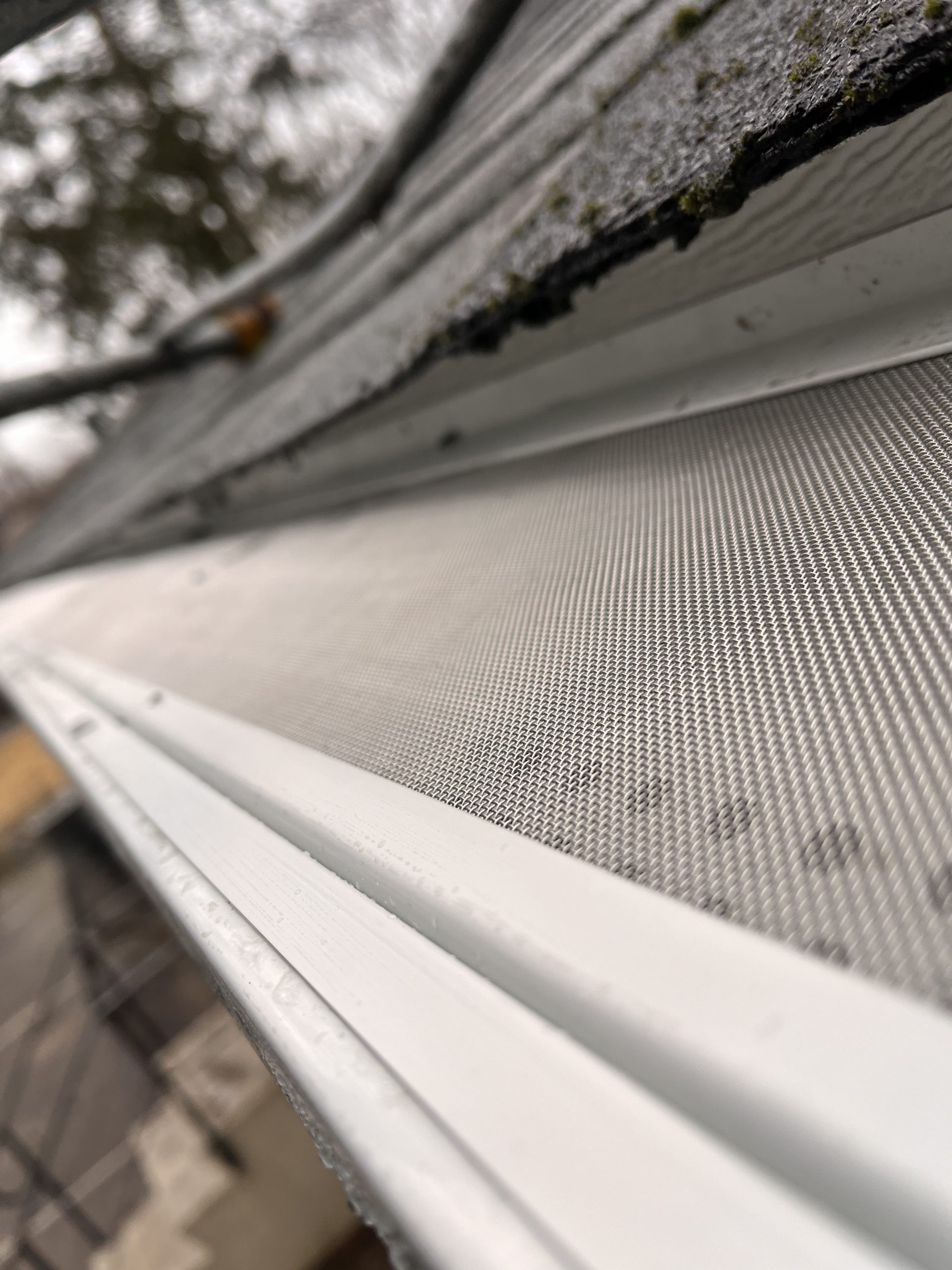
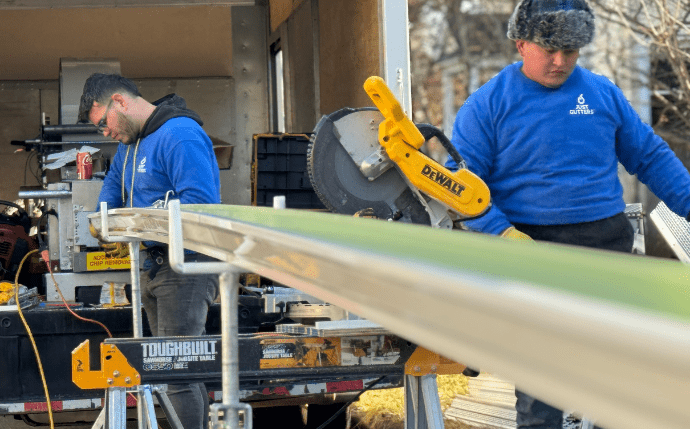
Getting multiple quotes for gutter installation sounds straightforward until the estimates start landing in your inbox. One contractor gives you a one-page total with almost no detail. Another sends a six-line estimate with brand names, material thickness, labor scope, and warranty terms. A third comes in surprisingly low, which feels good for about five minutes, until you realize it does not mention downspouts, fascia repairs, or haul-away.
At that point, most homeowners make the same mistake. They compare the bottom-line price before they compare what is actually being sold.
That is how people end up paying twice for the same job, first to install a cheap system, then again to correct poor drainage, leaking seams, undersized downspouts, or damaged fascia that should have been addressed during the original work. Gutter installation is not the most glamorous exterior project, but it directly affects siding, foundation drainage, roof edges, landscaping, and even basement moisture. A quote that looks cheaper on paper can become far more expensive after the first hard rain.
The better approach is to compare bids line by line, with the same discipline you would use for a roof or HVAC replacement. The goal is not to find the lowest number. It is to find the best value for the scope, material quality, workmanship, and long-term performance your house actually needs.
Start by making sure the quotes are for the same job
This is the first place comparisons break down. Two contractors may both say they are quoting gutter installation, but they may be pricing completely different systems.
One company may be quoting seamless aluminum gutters with oversized downspouts, hidden hangers spaced closely, splash management at discharge points, and removal of the old system. Another may be quoting sectional gutters, fewer downspouts, standard hangers, and no disposal. On paper, both estimates say "new gutters." In reality, they are not close to equal.
Before you even think about price, confirm whether each quote includes the same basic scope. That means the same linear footage of gutters, similar downspout counts and sizes, similar material gauge, similar fastening method, and comparable site work. If one contractor measured 180 feet and another measured 210 feet, ask why. Sometimes the difference is innocent, such as one company including garage runs or porch roof sections that another left out. Sometimes it points to a sloppy site visit.
A reliable estimate should answer a simple question clearly: what exactly are you installing on my home, and what is included in that price?
If the quote does not answer that, it is not ready to compare.
Material details matter more than many homeowners realize
Gutters are one of those products that seem standardized until you work around enough installations. There is a wide spread in quality, especially in aluminum systems. Thickness, profile, hanger spacing, downspout sizing, and finish quality all affect durability.
A thin, budget-grade aluminum gutter may look fine on day one, but it is more prone to denting, waviness, and movement over time. If hangers are spaced too far apart, sections can sag under water load or snow. If the downspouts are too small for the roof area or local rainfall intensity, water can overshoot, back up, or dump at weak points.
When comparing quotes, pay attention to whether the contractor identifies:
- gutter material and approximate gauge or thickness
- seamless or sectional fabrication
- gutter size, often 5-inch or 6-inch
- downspout size and quantity
- hanger type and fastening method
That list may seem technical, but those are the details that separate a system that quietly works for fifteen to twenty years from one that starts causing callbacks in the first season.
A practical example: on a modest one-story ranch, standard 5-inch seamless aluminum gutters with 2x3 downspouts may perform perfectly well if roof planes are short and drainage loads are moderate. On a steep-roofed two-story home with long runs and heavy rain, 6-inch gutters with larger 3x4 downspouts often make more sense. If one estimate includes the larger system and another does not, the lower number may not reflect better pricing at all. It may just reflect a smaller, less capable design.
Price only means something when scope is visible
A quote that simply says "Install new gutters: $4,800" is not useful. It may be convenient, but it is Gutter Installation justgutterllc.com not useful.
A good estimate does not have to be ten pages long, but it should break out enough information for you to understand where the money is going. You want to see material, labor, accessories, and any repair or disposal work that affects the total. If fascia replacement, drip edge adjustments, downspout extensions, gutter guards, or custom color options are excluded, that should be stated plainly.
This matters because gutter installation often uncovers edge conditions that were hidden by the old system. Rotted fascia is a common one. So are loose soffit sections, missing drip edge, or roof runoff patterns that demand extra downspout capacity. If one contractor noted those possibilities during the site visit and another ignored them, the first quote may seem higher simply because it reflects reality.
I have seen homeowners reject a detailed, accurate quote for a vague low bid, only to approve a chain of change orders once work begins. By the end, they paid more than the original higher bid and still had a worse installation experience.
The cleanest way to compare bids is to ask each contractor to revise their quote, if necessary, so all estimates reflect the same requested scope. That creates a more honest side-by-side comparison.
Pay attention to what happens at the roof edge
This is where experience shows up.
A contractor who knows gutter installation well will spend time looking at roof pitch, overhang depth, fascia condition, shingle drip line, valleys, and concentrated water discharge points. They are not just measuring linear feet. They are figuring out how water behaves on your house.
For example, some homes need kick-out flashing corrections where roof-to-wall intersections dump water into siding instead of into the gutter system. Some need wider gutters under valleys because runoff comes off the roof with force. Some need additional downspouts because a single long run is carrying too much volume. And some need drip edge adjustment because water is curling behind the gutter rather than into it.
These details may not show up in the simplest estimate, but they absolutely show up after installation if they are mishandled. If a contractor spent an extra twenty minutes evaluating these conditions, that is often a good sign, not a sign they are trying to upsell you.
The quote should reflect not just the product, but the drainage strategy.
Warranties deserve a closer reading
Homeowners often ask, "What warranty do you offer?" That is the right question, but the more useful question is, "What exactly does your warranty cover, for how long, and who stands behind it?"
There are usually two distinct warranties in play. One is the manufacturer warranty on the material or finish. The other is the contractor's workmanship warranty on installation. They are not interchangeable.
A paint finish warranty may sound impressive, but it does not help much if the real problem is improper pitch, weak fastening, or leaking joints at miters and outlets. Likewise, a workmanship warranty is only valuable if the company is stable, responsive, and still likely to be in business if something goes wrong in three years.
Ask how warranty claims are handled. If a gutter comes loose after a winter storm, what is considered normal warranty service and what is considered storm damage? If the gutter overflows in a heavy rain, will the contractor inspect whether sizing or pitch is the issue? If gutter guards are included, do they carry separate terms?
Short answers often hide long headaches. Clear language is worth a lot here.
Do not ignore labor practices and crew quality
Many gutter issues are installation issues, not material failures. I have seen average materials perform well for years because the installer was meticulous, and premium materials fail early because the crew rushed, mispitched long runs, or skimped on fasteners.
That is why labor should weigh heavily in your comparison. Ask who will actually do the work. Is it an in-house crew or a subcontractor? How long has that crew been handling gutter installation? Will the same team that measured the project be responsible for fabrication and setup details? How are corners sealed? How are hangers spaced? How will downspouts be attached to the wall?
You do not need a master class in gutter mechanics to ask good questions. You just need to listen for specificity. Experienced contractors answer in a way that sounds practiced but not scripted. They mention details because they have dealt with the consequences of getting them wrong.
A vague answer such as "We install them the standard way" should make you uneasy. There are plenty of "standard ways" that do not hold up.
Site conditions can justify price differences
Sometimes a higher quote is not about profit margin. It is about access, complexity, or risk.
A single-story house with open access all around the perimeter is faster and simpler than a tall home with steep grades, deck obstructions, mature landscaping, power lines, or tight setbacks. Long custom runs, multiple corners, high ladders, detached garage tie-ins, and difficult downspout routing all add time.
Color can affect price too, especially if the contractor needs to special-order coil stock or components. The same goes for copper or steel systems, which carry very different material and labor costs than standard aluminum.
This is one reason phone quotes and online calculators are limited. They can be useful for ballpark budgeting, but they do not replace an on-site evaluation. If one quote is much lower than the others, consider whether that company actually accounted for the physical realities of your property.
The cheapest bid often leaves out the expensive parts
A low number has a strong emotional pull. It gives the impression that you found a deal others missed. Occasionally that is true. More often, the lowest quote is low because it omits something important.
Here are common omissions and warning signs worth checking:
- old gutter removal and debris disposal are not included
- downspout extensions or drainage termination are left vague
- fascia or soffit repairs are excluded without inspection notes
- permit or insurance details are missing where relevant
- the quote has no material specifications or warranty terms
None of those omissions automatically disqualify a contractor. Some companies separate optional items so homeowners can choose later. The issue is whether exclusions are transparent. If they are hidden or poorly explained, your comparison is already distorted.
One homeowner I spoke with accepted a very low bid for gutter installation on a two-story colonial. The contractor installed new gutters neatly enough, but used too few downspouts and discharged water right beside the foundation in two locations. Extensions and underground drain tie-ins were "not part of the estimate." Within a few storms, mulch was washing out and one corner of the basement showed seepage. The original low price looked very different after corrective work.
Reviews help, but only if you read them carefully
Online reviews are useful, but not in the simplistic way people often use them. A five-star average means little if you do not know what reviewers are praising. Fast scheduling? Friendly office staff? Low cost? Those are nice, but they are not the same as long-term performance.
Read for specifics. You want comments about punctuality, communication, cleanup, craftsmanship, and whether the system performed well after real weather. Look for mentions of leak corrections, warranty follow-through, or how the company handled an issue. A contractor with a few imperfect reviews but thoughtful responses and a record of solving problems can be more trustworthy than a company with a suspiciously spotless profile and no detail.
Timing matters too. A review posted the day after installation tells you very little about durability. Reviews from six months to two years later are far more revealing, especially in regions with snow, ice, or heavy seasonal rain.
If possible, ask the contractor for addresses of recent comparable projects in your area. You do not need to knock on doors, but even a drive-by can tell you whether lines look straight, downspouts are positioned logically, and the color match suits the home.
Ask how water will leave the house, not just how the gutters will look
This is one of the most overlooked parts of comparing quotes. Gutters collect water, but downspouts and discharge points determine whether that water creates new problems.
A quote should tell you where water will be directed. Will it discharge onto splash blocks? Into extensions? Into existing underground drains? Across walkways? Near air conditioning equipment? Toward neighboring property? These are not cosmetic details. They shape drainage performance and homeowner satisfaction.
A neat-looking install can still be a poor drainage solution if downspouts dump too close to the foundation or create icy spots at entries in winter. Good contractors talk about water path. They may suggest adding a downspout at a rear corner, rerouting one away from a patio, or upsizing an outlet under a roof valley. That kind of recommendation often reflects field experience rather than salesmanship.
Communication quality usually predicts project quality
There is a reason experienced property owners pay attention to quoting behavior itself. The estimate process often tells you what the project will feel like.
Was the contractor on time for the site visit? Did they measure carefully? Did they explain options without rushing? Did they answer direct questions with direct answers? Did they send the quote when promised? Was it legible and organized? If revisions were needed, did they make them clearly?
Companies that struggle to communicate before the sale rarely become more organized after the deposit clears. On a smaller exterior project like gutter installation, that can mean missed appointment windows, confusion about colors or downspout placement, or arguments over what was and was not included.
Professionalism during quoting is not fluff. It is evidence.
Comparing apples to apples takes a little work, but it pays off
If you want a practical way to evaluate several estimates, create your own comparison sheet. It does not need to be elaborate. Note each contractor's total price, material type, gutter size, downspout count, removal scope, warranty terms, estimated start time, and any exclusions. Once you lay those details side by side, price differences usually start making sense.
You may find that one quote is genuinely overpriced for standard materials and routine access. You may also find that the lowest quote is not really low once you account for missing items, weaker materials, or a shorter workmanship warranty. Many homeowners end up choosing the middle bid, not because middle is magically safer, but because it often balances price with adequate scope and credible execution.
That said, the right choice is not always the middle. If one contractor identified a drainage issue others missed, explained a better design clearly, and backed it with a solid installation record, paying more can be the smarter long-term decision. On the other hand, if a premium bid offers no meaningful upgrade in materials, design, or warranty, there may be little reason to spend extra.
Judgment matters more than formulas.
When to push back and ask for a revised quote
You are not being difficult when you ask for clarification. In fact, careful questions often lead to better project outcomes.
If an estimate is vague, ask for material specs. If downspout count differs between contractors, ask each to explain why. If one company recommends 6-inch gutters and the others quote 5-inch, ask what roof conditions drove that recommendation. If removal, disposal, or minor wood repair are not addressed, ask whether they can be priced as allowances or alternates.
This process does two useful things. First, it improves the quality of your comparison. Second, it reveals how each contractor handles informed customers. The good ones usually appreciate precise questions because they reduce misunderstandings later.
The only time pushback becomes a problem is when homeowners use one contractor's detailed quote to force another into matching a spec they do not actually believe in. If opinions differ, do not just negotiate price. Ask each company to defend its design choices. That conversation is often more valuable than another discount.
The best quote is the one that leaves the fewest surprises
A strong gutter installation quote does not simply promise new gutters at a competitive price. It shows that the contractor understands your house, has thought through drainage, specified the system clearly, and documented what is included and excluded.
That kind of estimate may not be the shortest. It may not be the cheapest either. But it reduces the chance of unpleasant discoveries halfway through the job or after the first storm.
When you compare quotes, look beyond the headline number. Look for complete scope, sensible sizing, realistic labor, clean communication, and a contractor who seems to have installed enough systems to know where gutter jobs go wrong. The right choice usually becomes obvious once the details are on the table.
A gutter system does not need to be fancy. It needs to work, quietly and consistently, year after year. The quote that gets you there is the one worth signing.
Just Gutters LLC
Address: 262 Main St, Hackettstown, NJ 07840
Phone number: +12013319454
FAQ About Gutter Installation Hackettstown
Can I install a gutter myself?
Yes, you can install gutters yourself. DIYers typically use aluminum or vinyl sections from home improvement stores. The project requires basic tools, precise measuring, and comfort working on ladders. Key steps include snapping a chalk line for a slight slope (1/4 inch per 10 feet toward downspouts), securing hangers every 2 feet, and caulking all joints securely.
How much does body contouring usually cost?
The Home Depot typically charges between $1,000 and $3,600 for a standard professional gutter installation on a typical single-family home with 200 linear feet of gutters. Calculated on a per-foot basis, the cost usually ranges from $5 to $18 per linear foot, highly dependent on the material you select.
How much does a 40 ft seamless gutter cost?
A 40 ft seamless gutter run will cost between $240 and $1,120+ fully installed, depending on the material you choose. Because seamless gutters require specialized on-site fabrication machines, they are rarely sold as DIY kits and are priced per linear foot.