How to Maintain Seamless Flow with Expert Gutter Repair
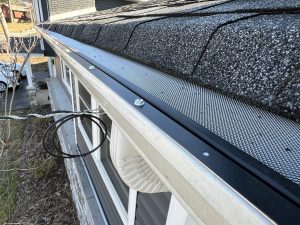

Gutters do a quiet, unglamorous job until the day they stop doing it. Then the signs show up fast. Water spills over the edge during a storm, mulch washes into the lawn, paint peels near the fascia, and a damp line creeps across the basement wall. Most homeowners notice the mess first. The real problem usually starts earlier, at the roofline, where small defects interrupt the path water is supposed to follow.
Seamless flow is not a marketing phrase when you are talking about drainage. It is the difference between water being guided safely away from the house and water finding its own route through wood, brick, soil, and concrete. Expert gutter repair protects far more than the gutters themselves. It helps preserve roof edges, soffits, fascia boards, siding, window trim, foundations, and landscaping. On older homes, it can also prevent a chain reaction of repairs that grows expensive in a hurry.
The practical challenge is that gutter problems rarely stay isolated. A loose hanger can create a low spot. A low spot can hold water. Standing water adds weight, which widens the sag and strains the fasteners. Overflow splashes against wood trim, and that repeated wetting starts the rot. By the time someone asks for Gutter Repair, they are often dealing with several linked issues rather than one obvious defect. That is why a professional approach matters. It solves the cause, not just the symptom.
What seamless flow really means
A well-performing gutter system moves water continuously from the roof edge to the downspout and then away from the foundation. That sounds simple, but in practice it depends on several conditions being right at the same time. The pitch has to be correct, the seams or joints have to stay sealed, the hangers have to hold firm, the downspouts have to be clear, and the water discharge point has to be far enough from the house to prevent pooling.
When any one of those conditions slips, the whole system becomes less efficient. I have seen gutters that looked fine from the ground but held nearly an inch of standing water because the installer missed the slope by a fraction. I have also seen downspouts draining properly at the top but dumping water right at the base of the wall because the extension had been knocked loose by a lawn crew. Both homes had water problems, but the repair strategy was different in each case.
That is the first reason expert Gutter Repair tends to outperform quick patching. A trained eye reads the whole path of the water. It looks at the roofline, the hanger spacing, the corners, the outlets, the downspout elbows, and the grade of the soil below. The goal is not just to stop today’s leak. The goal is to restore smooth movement from top to bottom.
Where gutter systems fail most often
Not every failure looks dramatic. Some of the worst drainage problems begin with details so minor they are easy to dismiss. A hairline opening at a seam can drip for months before anyone notices. An area of packed debris behind a chimney can divert runoff sideways. A downspout can stay partially blocked and still appear to be working during a light rain.
Certain stress points come up again and again in real repair work. Corners are vulnerable because they handle concentrated water volume and often collect debris. Outlets, where the gutter empties into the downspout, can clog with shingle grit, leaves, and seed pods. Long runs may sag between supports if the hanger pattern is weak or if the fascia has softened. In colder regions, ice can pry apart joints and loosen spikes or screws. In heavily wooded areas, organic buildup can trap moisture against metal and speed corrosion.
Material also matters. Aluminum gutters are common because they resist rust and are relatively light, but they can dent, bend, or pull away if overloaded. Steel can be tougher in some respects, though it is more vulnerable to rust if coatings fail. Vinyl does not corrode, but it can become brittle over time, especially in climates with strong seasonal swings. Copper lasts a long time and looks exceptional, yet its repairs require a different skill set and usually a higher budget. An expert knows when repair is appropriate and when a section has reached the point where replacement is more sensible.
The hidden cost of delayed repair
A homeowner can sometimes ignore a cosmetic issue for a season. Drainage problems do not offer that luxury. Water compounds damage because it spreads beyond the original point of failure. Overflow can saturate the fascia board, then move into the soffit, then invite insects into softened wood. Repeated runoff beside the foundation can erode soil and create settling over time. On paved surfaces, concentrated discharge can stain concrete and contribute to freeze-thaw cracking.
Inside the house, the evidence may show up in places that seem unrelated to the roofline. A basement corner smells musty after hard rain. A first-floor window trim develops bubbling paint. An interior wall near a roof valley shows a faint stain that appears and fades with the weather. These are the kinds of symptoms that lead homeowners down the wrong path. They call for interior patching or repainting first, only to discover that the actual fix belongs outside.
There is also a safety angle that often gets overlooked. Overflowing gutters can create slick walkways near entry doors. In winter, poor drainage contributes to dangerous icing where downspouts dump too close to paths or driveways. Repairing the gutter system is not just about preserving materials. It also reduces avoidable hazards around the home.
How professionals diagnose the real problem
The strongest gutter repairs begin with observation, not assumptions. A contractor who arrives ready to caulk every seam before checking pitch, support, and discharge is treating symptoms. A better process starts with visible clues and then follows the water route.
A careful inspection usually includes the condition of the fascia and soffit, the spacing and type of hangers, signs of standing water, seam integrity, outlet performance, downspout alignment, and soil grading near discharge points. If the home has experienced multiple repairs in the same area, that is another clue. Repeated failure often points to a structural or design issue rather than a simple leak.
Rainy-day inspections are especially revealing, though they are not always practical. When possible, they show exactly where water overshoots the gutter, where a downspout backs up, and where splashback hits siding. Short of that, staining patterns tell a lot. Dark streaks on the outer gutter face often indicate overflow. Clean wash marks in dirty siding show where water has been spilling. Rust marks beneath a joint usually signal a seam failure above.
Here are common signs that a professional should evaluate the system rather than rely on a do-it-yourself patch:
- water spilling over the front edge during moderate rain
- gutters pulling away from the fascia or visibly sagging
- peeling paint, stained siding, or wood softness near the roofline
- pooling water or soil erosion below downspouts
- repeated clogs even after cleaning
That short list captures symptoms, but the deeper value of expert Gutter Repair lies in determining why those symptoms keep appearing.
Repair methods that actually restore performance
Not all repairs carry equal value. Some buy time. Some genuinely reset the system for years. Knowing the difference saves money and frustration.
Seam resealing can work well when the gutter body is still sound and the separation is minor. The key is surface preparation. Sealant applied over grime, oxidation, or trapped moisture fails early. Professionals clean the area properly, remove failed material, and use products suited to the gutter material and climate. They also check whether the seam opened because of movement. If the gutter continues to flex due to poor support, even a good seal may fail again.
Re-securing gutters to the fascia is another common repair, but the fastener choice matters. Older spike-and-ferrule systems often loosen over time, especially if the fascia wood has begun to deteriorate. In many cases, hidden hangers with screws provide a better long-term hold. Still, new hardware alone does not solve rotten wood. If the fascia is compromised, it needs repair or replacement first. Otherwise, the gutter is being anchored to material that can no longer carry the load.
Pitch correction is one of the most overlooked repairs and one of the most important. Water should move consistently toward the outlet. Too little slope invites standing water. Too much can look crooked and cause concentrated flow at one end. A professional can rehang a section so the visual line remains clean while restoring proper drainage. This is delicate work on long front elevations where appearance matters almost as much as performance.
Downspout repair is often less expensive than homeowners expect, yet it can make the biggest difference. A crushed elbow, loose joint, or clogged leader can reduce flow dramatically. In some cases, adding a second downspout on a long run solves persistent overflow better than repeatedly enlarging the gutter itself. This is where experience shows. The best repair is not always the most obvious one.
There are also cases where selective section replacement is smarter than trying to preserve every existing part. If one corner is rusted through, two seams have failed, and the metal has begun to thin, patching each defect separately becomes false economy. A new section with correct pitch and fresh supports may cost more upfront, but it usually performs better and looks cleaner.
Why quick fixes often fail
Many homeowners try a tube of sealant, a ladder, and a free afternoon before calling for help. That instinct is understandable. Some minor issues can be stabilized that way. The problem is that water is unforgiving, and gravity exposes weak work quickly.
I once saw a gutter where the homeowner had sealed the inside seam three different times over two years. The leak kept returning. When we looked closer, the real issue was a twisted run caused by two loose fasteners and a section of softened fascia. Every heavy storm flexed the joint just enough to crack the sealant again. The material was not the main failure. The movement was.
Another common misstep is cleaning without flushing. A gutter can appear clear from above while the downspout remains partly blocked. Debris often compacts at bends or at the outlet where it narrows. Until water is run through the system and observed at the bottom, nobody really knows if the path is open. Good repair work pairs mechanical fixes with flow testing.
Then there is the temptation to install guards as a cure-all. Guards can reduce debris entry under the right conditions, but they do not correct bad pitch, poor fastening, undersized drainage, or rotten fascia. In fact, installing guards on a compromised system can make inspection harder and delay needed repair. Guards are best treated as an accessory to a sound gutter system, not a substitute for one.
Seasonal stress and climate-specific repair decisions
Gutters age differently depending on region. In dry climates, ultraviolet exposure and heat can make some materials brittle. In humid areas, mildew and corrosion are more persistent. In places with freezing winters, ice and snow load change the repair priorities completely.
Ice is especially hard on joints and fasteners. When water sits in a low spot and freezes, it expands and stresses the metal. Ice at the roof edge can also force meltwater backward under shingles if the gutter cannot drain. The repair strategy in those regions often includes correcting pitch, improving attic ventilation and insulation where ice dams are a factor, and making sure downspouts remain clear late into the season.
Heavy rain regions present a different challenge. Capacity matters more. A gutter may be technically intact but still overflow during intense storms because the outlet arrangement is inadequate for the roof area it serves. Expert Gutter Repair in those conditions sometimes means redesigning sections, adding downspouts, or increasing dimensions in problem areas. This is one of those judgment calls that separates cosmetic repair from functional improvement.
Tree cover introduces another set of decisions. Oak leaves, pine needles, seed pods, and even roof granules create different kinds of blockages. A guard that handles broad leaves may struggle with fine debris. A system under dense canopy may need more frequent maintenance even after repair. The point is not perfection. It is matching the repair and maintenance plan to the conditions the house actually faces.
When repair makes sense, and when replacement is the honest answer
Homeowners appreciate honesty more than optimism that leads to repeat visits. Sometimes repair is exactly the right investment. Sometimes it only postpones a system-wide replacement that should already be on the table.
Repair tends to make sense when the damage is localized, the metal or material remains structurally sound, and the fascia beneath is healthy. A separated seam, a loose downspout, a few failed hangers, or one mispitched section are all reasonable repair scenarios. So is selective replacement of a damaged run if the rest of the system is in good condition.
Replacement becomes more likely when multiple long sections sag, corrosion is widespread, previous repairs have piled up, or the gutter size and layout were never adequate for https://cashzzie046.alderbrief.com/posts/top-causes-of-gutter-damage-and-how-repair-helps the roof design. Homes with complex rooflines often expose the limits of older drainage layouts. Valleys dump large water volumes into short stretches of gutter, and no amount of sealant solves a capacity problem.
A reliable contractor should be able to explain this distinction clearly. If every answer sounds like a sales pitch for full replacement, that is a warning sign. If every answer sounds like a patch regardless of the system’s condition, that is another. Professional judgment lives in the middle. It weighs cost, expected service life, aesthetics, and the risk of future damage.
What skilled workmanship looks like on site
Good Gutter Repair is not flashy. It is careful. You see it in alignment, fastening, cleanup, and follow-through. The repaired section should blend with the existing system as closely as practical. Water should flow without visible standing areas. Downspouts should discharge where they are intended to, not where they happen to end.
The crew should protect landscaping, use ladders safely, and avoid crushing gutter edges while working. They should check for related damage when they open up a problem area. If fascia rot appears once the gutter is removed, that should be documented and discussed before the repair is closed up. Hidden problems are common enough that rigid one-size pricing can be misleading. A trustworthy professional explains what was visible at estimate time and what changed after access improved.
Communication matters more than many people expect. Homeowners should know whether the repair is expected to last several years, whether color match will be close or exact, and whether any maintenance is still needed soon. The best service calls leave no ambiguity about what was fixed and what should be watched next.
A practical maintenance rhythm after repair
Even expertly repaired gutters need maintenance. The good news is that routine care is less expensive than emergency correction. A simple seasonal rhythm prevents most recurring problems.
A useful pattern looks like this:
- inspect in spring for winter loosening, seam stress, and discharge issues
- clean and flush in late spring or early summer if trees drop seed pods or blossoms
- inspect again in early fall before peak leaf drop
- clean after the main leaf season, then verify water exits properly
- check ground extensions and splash blocks after storms or yard work
That schedule is not rigid. A house surrounded by pines may need more attention. A home in an open area may need less. What matters is consistency and actual observation of water flow, not just debris removal.
One detail homeowners often miss is the discharge zone. A repaired gutter can perform perfectly and still contribute to foundation problems if the downspout empties too close to the wall. Extensions, splash blocks, or buried drains should be part of the evaluation, especially where the lot slopes back toward the house. Seamless flow ends where the water is safely dispersed, not at the bottom of the downspout.
Choosing the right expert for the job
Not every roofer specializes in gutters, and not every handyman understands drainage design. There is a big difference between someone willing to work on gutters and someone who diagnoses them well.
Look for a contractor who talks comfortably about pitch, hanger spacing, outlet sizing, and fascia condition, not just leaks. Ask how they determine whether a section can be repaired versus replaced. Ask what type of fasteners and sealants they use and why. If your area sees ice, ask how they account for freeze-thaw stress. If you have repeated overflow at one valley, ask whether the issue could be capacity rather than damage.
Photos help. A good contractor often documents before-and-after conditions, especially in areas that are hard to see from the ground. Clear estimates help too. You want to know whether the price includes flushing, downspout testing, minor hardware, and cleanup, or whether those are separate. The more specific the scope, the less confusion later.
Insurance and licensing requirements vary by location, but professionalism shows in the basics: punctuality, a clear explanation, safe setup, and a willingness to discuss limitations. Some repairs are straightforward. Others depend on what is discovered once the section is opened. An expert does not pretend otherwise. They explain the likely range and the reasons behind it.
The payoff of getting it right
When gutter repair is done well, most people notice what stops happening. No more waterfall over the front porch during a storm. No more mud trench beneath the same downspout. No more mysterious damp smell in the basement after heavy rain. The system fades back into the background, which is exactly where it belongs.
That quiet reliability has real value. It reduces maintenance across the exterior of the house, protects finishes, preserves structural wood, and helps manage moisture where it can do the most harm. It also keeps small defects from becoming large renovations. A few hours of skilled work at the right moment can prevent thousands in fascia repair, foundation waterproofing, or interior remediation.
Seamless flow is not accidental. It comes from sound layout, solid materials, and repairs that respect how water behaves in the real world. Expert Gutter Repair delivers that by treating the system as part of the whole house, not as a strip of metal hanging at the roof edge. When the diagnosis is accurate and the workmanship is strong, the results are simple, durable, and visible every time it rains.
Just Gutters LLC
262 Main St
Hackettstown, NJ 07840, United States
Phone: +1 201-331-9454
FAQ About Gutter Repair
Is it cheaper to repair or replace gutters?
Repair can cost less when damage is limited and the remaining system is sound. Replacement may offer better value when leaks, corrosion, or repeated failures affect several sections. An inspection and written estimate can help compare the options.
Can damaged gutters be repaired?
Many localized problems, including leaking joints, loose brackets, sagging sections, and damaged downspout connections, can be repaired. The best approach depends on the material, extent of damage, and condition of the mounting surface.
Can I repair gutters myself?
Simple ground-level checks may help identify a problem, but roof-edge work carries fall risks and may require specialized tools. Professional assessment is advisable for high gutters, loose sections, hidden wood damage, or uncertain drainage problems.